Chinese Potato (Plectranthus rotundifolius): Botanical Name and Family (Lamiaceae)
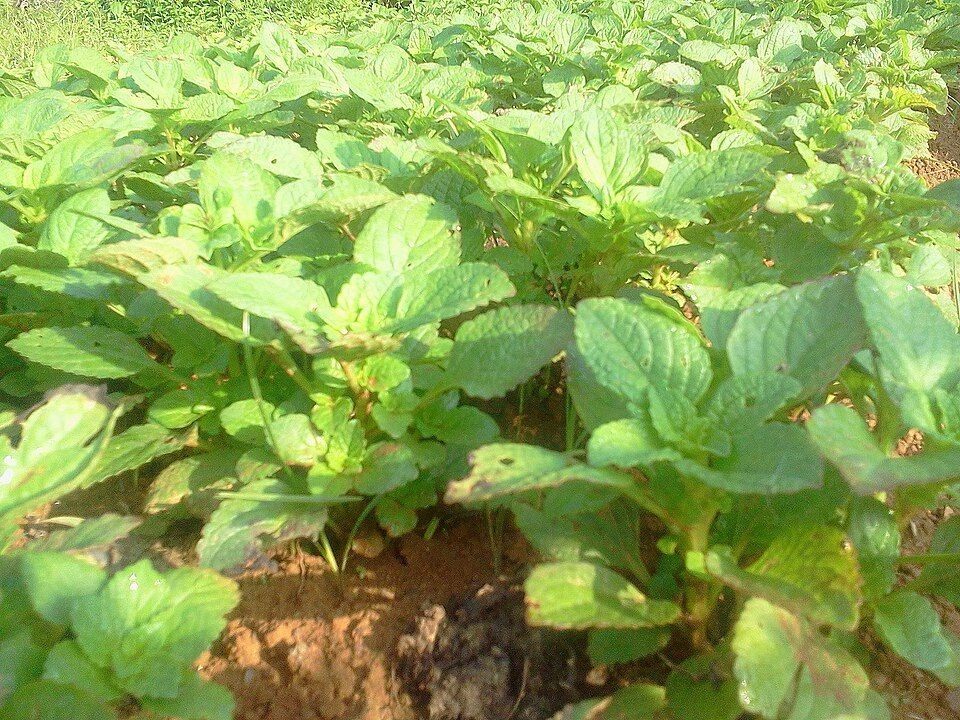
Chinese potato (Plectranthus rotundifolius) is a small, flavourful tuber crop grown mainly in Kerala, Tamil Nadu and parts of Karnataka, where it is known as koorka or sirukizhangu. It is raised from vine cuttings planted on ridges, mostly with the rains, and the tubers are ready in about 4-5 months. A typical yield is 15-20 tonnes per hectare, and the improved variety Sree Dhara is reported to give more under good management.
Overview
Chinese potato, also called Hausa potato or Innala (in Sri Lanka), is a short, bushy herb of the mint family with small, dark-skinned, round to oval tubers. It is a minor but valued tuber crop in the humid tropics, used as a boiled or stir-fried vegetable in Indian home cooking. The crop likes warm, humid and partly shaded conditions, which makes it suitable for homestead gardens and for growing in coconut and arecanut gardens.
| Scientific name | Plectranthus rotundifolius (also written Solenostemon rotundifolius or Coleus parviflorus) |
|---|---|
| Family | Lamiaceae |
| Type | Short-duration tuber crop, propagated by vine cuttings |
| Main growing regions in India | Kerala, Tamil Nadu, Karnataka |
| Season | Main field planting July to October; nursery March to April |
| Duration | About 4-5 months after planting (about 120 days in traditional practice notes) |
| Typical spacing | Ridges 60 cm apart, cuttings 30 cm apart on the ridge |
| Typical yield | 15-20 tonnes per hectare |
Climate and Soil
Soil
Red, loamy and well drained soils are best. Waterlogging damages the tubers, so heavy soils need raised ridges or beds.
Climate
Chinese potato comes up well in shade with warm humid climate. It requires very good rainfall for its growth and cannot withstand drought conditions. In case rains are not received, irrigation has to be provided for satisfactory growth.
Varieties
CO 1 and Sree Dhara are the varieties listed in the package of practices. Sree Dhara, a clonal selection released by ICAR-Central Tuber Crops Research Institute (CTCRI) in 1993, was the first Chinese potato variety released in Kerala and in India. It matures in about 5 months and CTCRI reports a yield of about 25 tonnes per hectare. It is reported to be susceptible to root-knot nematode. Use locally recommended planting material from the state agriculture university or KVK.
Propagation and Nursery
Raise a nursery approximately one and half months prior to planting. An area of 500 m2 is required to produce vines for planting one hectare of land.
- Cattle manure or compost may be applied @ 1 kg/m2 and ridges or mounds may be prepared at a closer spacing of 45/60 cm.
- Healthy tubers that weigh about 15-20 g may be planted at 5 cm spacing on the ridges or mounds so as to accommodate 750-1200 kg tubers in 500 m2 area during March – April.
- Top-dress with urea (5 kg per 500 m2) at about three weeks after planting to encourage good vine growth.
- Stem cuttings of 15-20 cm length from these sprouts are also used as planting material.
- To enable rapid multiplication of the planting material, single node cuttings can be planted directly in the secondary nursery. Such single node cuttings produce axillary shoots within one week which can be planted in the main field.
Land Preparation and Planting
The field is ploughed 4 to 5 times to a fine tilth and ridges and furrows are formed 60 cm apart. Use herbaceous cuttings of 10 cm length taken from the nursery beds and plant in the main field during July – October at a spacing of 30 cm on the ridges, either in vertical or horizontal position.
Horizontal planting of vines to a depth of 4-5 cm and exposing the terminal bud ensures quick establishment and promotes tuber yield. In loose soils having good drainage, planting can also be done on flat beds with provision for drainage.
Nutrient Management
Apply FYM at 25 t/ha as basal and NPK at 30:60:150 kg/ha. Apply 30 kg N 30 days after planting at the time of earthing up along with 2 kg of Azospirillum. In case the soil has eroded from the base of the plant, give one more earthing up at 30 days later to promote tuber formation.
These are typical package figures; adjust them according to soil testing and state recommendations.
Irrigation
Irrigate at weekly intervals when rain is not sufficient. Keep the soil moist but not waterlogged, especially during early vine growth and tuber formation.
Weed Management
2 or 3 weedings and earthing up 2 months after planting. Early weeding is important, since young vines are slow to cover the ground. Mulching also reduces weed growth and conserves moisture.
Pests and Diseases
Leaf folding caterpillars and vine borers are the main insect pests reported in the traditional practice notes. Use clean, healthy planting material from vines that show no borer damage, and hand-pick and destroy folded leaves and caterpillars.
Leaf folding caterpillars and vine borers
Sort out and discard damaged vines before planting, remove and destroy infested shoots and keep the field free of weeds and crop residue that shelter the pests. If severe damage is noticed in the field, use only products and doses recommended by the state agriculture department or local KVK, and observe the label waiting period.
- Root-knot nematodes can damage the tubers, particularly when the crop is grown repeatedly in the same field. Crop rotation, healthy planting material and organic amendments are the main preventive measures.
- Plants and tubers in poorly drained soils are prone to rotting.
Harvesting and Yield
Harvest the crop when the vines dry up at 4-5 months after planting. Pull out the plants and dig out the left over tubers in the field. Separate the tubers from the plant and destroy the crop residues, traditionally by burning, to reduce the carry-over of pests.
Yield: 15 to 20 t/ha in 120 days.
Post-Harvest and Storage
Clean the tubers without damaging the skin, cure them briefly in the shade and sort out damaged ones. The tubers are best sold or used fresh, and can be kept for some weeks in a cool, dry and airy place. Keep a portion of healthy tubers for the next nursery.
Frequently Asked Questions
When is Chinese potato planted in India?
A nursery is raised in March – April, and vine cuttings are planted in the main field during July – October with the rains. Irrigation is needed if rains fail.
What is the spacing for Chinese potato?
Ridges and furrows are made 60 cm apart, and 10 cm herbaceous cuttings are planted at 30 cm spacing on the ridges. Horizontal planting at a depth of 4-5 cm with the terminal bud exposed gives quick establishment.
How long does Chinese potato take to harvest?
The crop is harvested at 4-5 months after planting, when the vines dry up. Sree Dhara matures in about 5 months.
What is the yield of Chinese potato per hectare?
A typical yield is 15 to 20 tonnes per hectare. The variety Sree Dhara is reported to give about 25 tonnes per hectare in CTCRI trials.
Can Chinese potato be grown in shade?
Yes, it comes up well in shade with warm humid climate and is suited to homestead gardens and coconut or arecanut gardens. It cannot withstand drought, so supplementary irrigation is needed in dry weather.
Monitoring Chinese Potato with Satellite Data
Satellite crop monitoring from MapMyCrop helps follow crop health and growth in small and scattered tuber plots, supports irrigation scheduling in dry spells and helps flag uneven stands early. It also supports yield estimation over the season. See the MapMyCrop products, and our related guide on tapioca.